
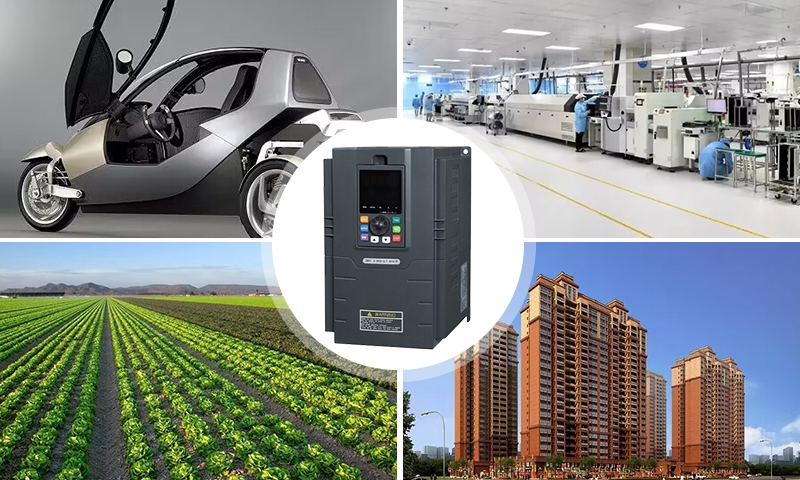
As industrial facilities continue to adopt advanced machinery and energy-efficient technologies, reliable power conversion has become increasingly important. Three phase inverters play a vital role in these systems by converting direct current (DC) electricity into three-phase alternating current (AC) power. They are widely used in manufacturing plants, commercial buildings, renewable energy installations, and other applications that require stable power for high-demand electrical equipment.
What Makes Three Phase Inverters Different?
Unlike single-phase inverters, which produce a single AC output phase, three phase inverters provide three AC phases separated by 120 electrical degrees. When properly configured, this arrangement delivers balanced power to compatible equipment and is particularly suitable for industrial motors and other high-power loads.
Three phase electrical systems are widely used in industrial environments because they can transmit substantial amounts of power efficiently. Three phase inverters help make this power available from DC sources such as battery banks, photovoltaic panels, and other DC supplies. Their output voltage, frequency, and capacity depend on the inverter's design and specifications.
Key Advantages for High-Power Applications
One of the main advantages of three phase inverters is their ability to support demanding electrical equipment. Industrial pumps, compressors, conveyors, machine tools, and production lines often rely on three-phase power for dependable operation.
Another benefit is their suitability for applications that require controlled electrical output. Certain inverter models can regulate voltage and frequency, while specialized inverter drives can adjust motor speed to match changing operating requirements. In suitable systems, this control can reduce unnecessary energy consumption and improve process efficiency.
Modern three phase inverters may also include overload protection, overtemperature monitoring, short-circuit protection, and operating-status displays. These features help users monitor equipment performance and protect connected systems when the inverter is selected and installed correctly.
Applications Across Industrial and Energy Systems
Three phase inverters are used in a broad range of applications. In manufacturing, they provide power for equipment designed to operate on three-phase AC electricity. In commercial HVAC systems, compatible inverter drives can control fans, pumps, and compressors to support efficient operation.
Renewable energy is another important application. Three phase solar inverters convert the DC electricity generated by photovoltaic panels into AC power for commercial buildings, factories, and grid-connected solar installations. Depending on system design, the converted energy can supply on-site loads or be exported to the utility grid.
Three phase inverters can also be used in battery-based power systems and backup installations when their input, output, and operating modes match the application. For critical loads, system designers must consider transfer arrangements, backup duration, and compatibility with other power equipment.
How to Choose the Right Three Phase Inverter
Selecting a suitable frequency inverter requires more than simply matching the rated power. Buyers should evaluate several important factors:
-
Power capacity: Check continuous output ratings and account for motor starting currents, peak demand, and possible future expansion.
-
Input voltage: Confirm compatibility with the battery bank, solar array, or other DC source.
-
Output voltage and frequency: Ensure the inverter matches the requirements of the connected equipment.
-
Efficiency: Compare conversion efficiency under realistic operating loads.
-
Protection functions: Review overload, overtemperature, short-circuit, and other relevant protection features.
-
Operating environment: Consider ambient temperature, ventilation, dust, moisture, and installation conditions.
-
Monitoring and control: Determine whether remote monitoring, communication interfaces, or adjustable output parameters are needed.
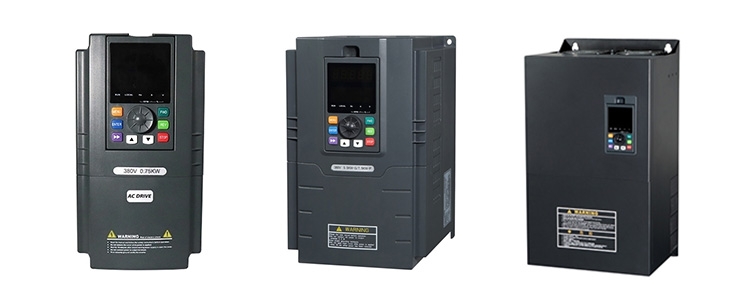
For solar installations, it is also important to distinguish among grid-tied, off-grid, and hybrid inverter configurations. These systems have different operating capabilities, and not every three phase inverter supports all three modes.
Supporting Reliable and Efficient Power Conversion
Three phase inverters are essential components in many high-power applications because they connect DC energy sources with electrical systems that require three-phase AC power. Their ability to support industrial loads, renewable energy installations, and specialized equipment makes them valuable in modern power infrastructure.
By evaluating electrical requirements, operating conditions, protection features, and system compatibility, businesses can select a three phase inverter suited to their specific needs. The right solution can help improve energy utilization, support reliable equipment operation, and provide a flexible foundation for future industrial and energy system development.
Comments (0)
Want to join the discussion?
Log In to Comment