
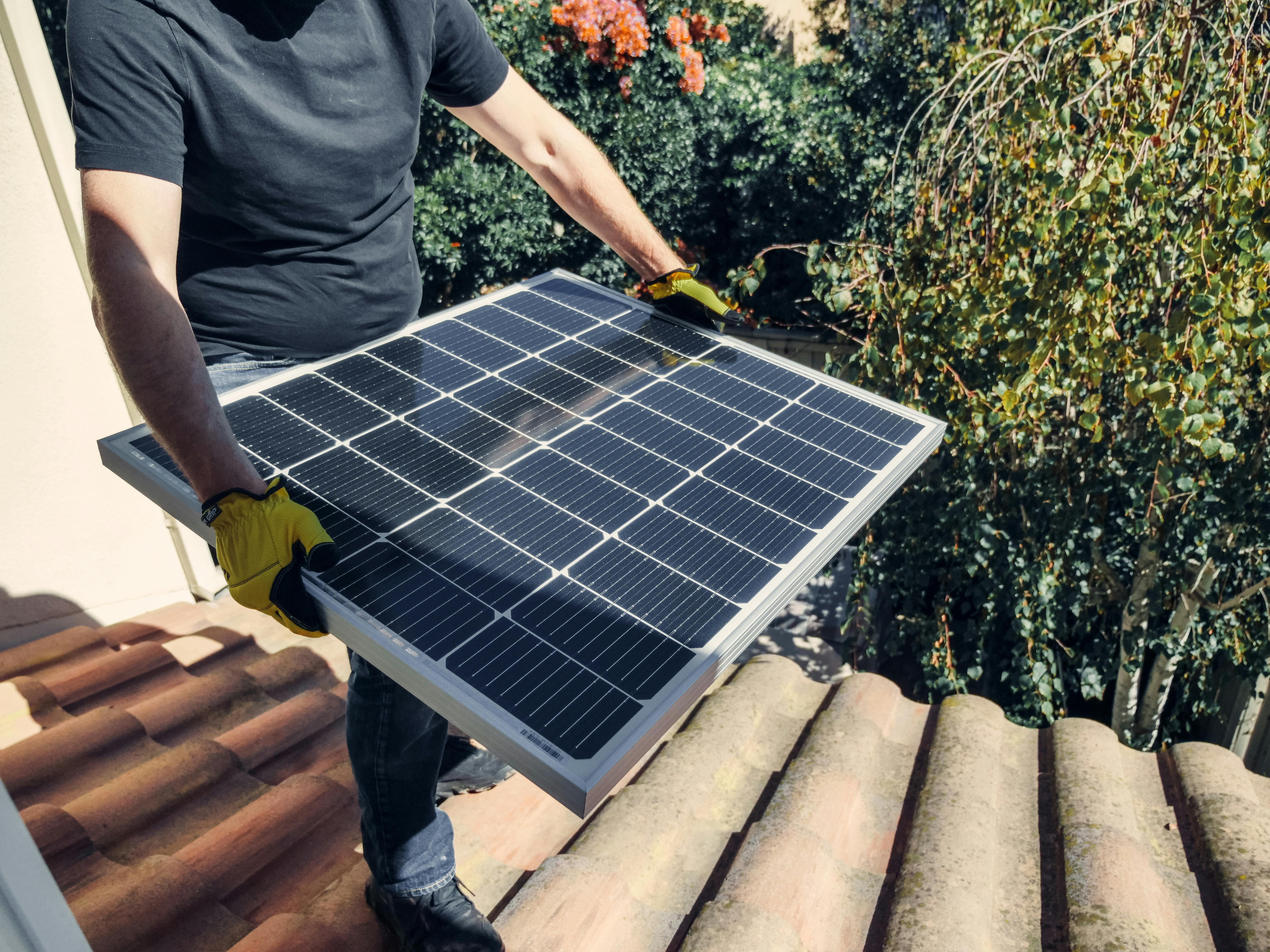
There’s a myth floating around rooftops and rural farms: install solar panels, walk away, enjoy “free” electricity forever. That myth collapses the first time batteries drain faster than expected or dust cuts panel output in half. Off-grid solar isn’t magic. It’s machinery. And machinery demands attention.
Unlike grid-connected setups that lean on utility backup, off-grid solar systems for houses operate alone. No safety net. No silent rescue from the power company. When something slips, the house goes dark. Maintenance isn’t optional — it’s survival protocol.
Let’s break it down honestly.
Solar Panels: Dirt Is the Silent Power Thief
Panels look tough. Tempered glass. Aluminum frames. Industrial wiring. But lay a film of dust across that glass and output drops. Add bird droppings, construction debris, pollen, pollution — performance slides further.
In dry, dusty regions, panels can lose noticeable efficiency within weeks. Coastal areas add salt residue. Urban environments add soot. Rain helps, but rain does not scrub.
Maintenance here is simple but non-negotiable:
- Soft brush cleaning
- Low-mineral water rinse
- No abrasive chemicals
- No high-pressure jets
Frequency depends on geography. Dust-heavy zones might require monthly cleaning. Cleaner regions can stretch to quarterly schedules. Ignore this and system output slowly degrades without dramatic warning. The lights stay on — until they don’t.
With off-grid solar systems for houses, reduced panel output doesn’t just mean lower efficiency. It means drained batteries at night.
Batteries: The Part That Fails First
Panels get attention. Batteries suffer in silence.
Battery banks are the spine of any off-grid installation. They absorb the sun during the day and release it at night. And they age. Every charge-discharge cycle takes a toll.
Flooded lead-acid batteries demand regular electrolyte checks and distilled water top-ups. Skip that routine and internal plates corrode. Capacity drops. Lifespan shrinks.
AGM and gel batteries are easier but not immortal. Terminals corrode. Connections loosen.
Lithium batteries require less physical maintenance but still demand monitoring. State-of-charge mismanagement reduces longevity. Heat kills performance. Poor ventilation shortens life.
Routine battery maintenance includes:
- Monthly visual inspection
- Terminal cleaning
- Tightening cable lugs
- Checking charge levels
- Monitoring depth of discharge
A neglected battery bank doesn’t fail loudly. It fades. Suddenly, backup hours shrink. Appliances cut off earlier. Frustration builds.
For off-grid solar systems for houses, batteries are not accessories. They are the system’s heartbeat.
Wiring and Connections: Small Looseness, Big Consequences
Off-grid systems vibrate. They heat up. They cool down. Metal expands and contracts. Over time, connections loosen.
Loose connections create resistance. Resistance creates heat. Heat damages components.
Maintenance here is straightforward:
- Inspect terminals
- Look for discoloration
- Tighten mounting hardware
- Check conduit integrity
- Examine junction boxes
Rodents chew insulation. Moisture seeps into poorly sealed boxes. Corrosion creeps in quietly.
These aren’t dramatic failures. They’re slow burns.
Inverters and Charge Controllers: The Brains Need Air
The inverter converts stored DC energy into usable AC power. The charge controller regulates how batteries charge. If either unit malfunctions, the system stumbles.
Dust clogs cooling vents. Heat builds internally. Error codes flash — often ignored until shutdown.
Maintenance here includes:
- Clearing ventilation openings
- Checking for warning lights
- Ensuring firmware settings remain correct
- Verifying grounding integrity
Overheating inverters don’t fail gracefully. They shut down abruptly.
And with off-grid solar systems for houses, shutdown means zero backup.
Monitoring: If No One Watches, Problems Multiply
Modern systems offer monitoring dashboards. Voltage readings. Charge percentages. Load graphs.
Owners who ignore monitoring treat solar like decoration. Owners who track metrics spot trouble early.
Sudden drop in daily generation? Panel issue.
Unusual overnight battery drain? Load imbalance.
Voltage irregularities? Wiring or controller fault.
Monitoring isn’t paranoia. It’s pattern recognition.
Environment: The Unpredictable Variable
Heat shortens battery life. Cold reduces battery efficiency. Salt air accelerates corrosion. Dust storms coat panels overnight.
Maintenance must adapt to climate.
Hot regions demand ventilation and shading for battery banks. Coastal homes require more frequent corrosion inspection. Forested areas require branch trimming to avoid shading.
Solar isn’t isolated from its environment. It lives in it.
Seasonal Checks: Before and After Extremes
Before monsoons:
- Check seals
- Inspect mounting bolts
- Confirm waterproofing
After storms:
- Look for cracked glass
- Inspect loose frames
- Verify cable security
Snow regions require safe snow removal when accumulation blocks sunlight.
Off-grid living rewards vigilance. Weather doesn’t wait for convenience.
Professional Inspection: Once a Year Is Smart
Even hands-on homeowners miss hidden faults. Annual professional inspection adds depth:
- Thermal scanning for hotspots
- Load testing batteries
- Detailed grounding checks
- Internal inverter inspection
Preventive attention costs less than emergency replacement.
Infrax Renewable structure off-grid installations with maintenance logic built in — smart placement, airflow planning, and accessible wiring layouts reduce future service complexity. Installation quality shapes maintenance burden.
Load Management: The Maintenance Most Homeowners Ignore
Panels and batteries get the spotlight. Load behavior quietly decides system lifespan.
Here’s the uncomfortable truth: many failures blamed on hardware are actually caused by poor consumption habits. Turn on heavy appliances at the wrong time. Run high loads after sunset. Let battery depth-of-discharge swing wildly every night. The system doesn’t break immediately — it wears down faster.
With off-grid solar systems for houses, energy discipline is maintenance.
Running washing machines, pumps, or heavy kitchen equipment during peak sunlight hours reduces stress on batteries. Charging electric vehicles or high-draw devices during the day instead of at night protects storage cycles. Avoiding unnecessary phantom loads — devices that sip power 24/7 — preserves reserve capacity.
Battery health is directly tied to depth of discharge. Repeated deep discharges shorten lifespan dramatically. Keeping discharge within recommended ranges extends operational years. That’s not theory. That’s electrochemistry.
Smart load management includes:
- Shifting high-wattage usage to daylight hours
- Installing energy-efficient appliances
- Using LED lighting throughout the house
- Eliminating idle standby loads
- Tracking daily consumption against solar generation
Energy discipline transforms system performance. It reduces cycling stress. It lowers thermal buildup. It extends battery replacement timelines.
In off-grid living, lifestyle and hardware are interconnected. The house itself becomes part of the maintenance plan.
Hardware can be perfect. If consumption habits are careless, system strain increases. When users align behavior with generation patterns, reliability stabilizes.
Maintenance isn’t only mechanical. It’s behavioral.
Replacement Reality
No component lasts forever.
- Panels: 25+ years when cared for
- Inverters: roughly a decade or more
- Batteries: varies widely by chemistry and care
Ignoring maintenance shortens all timelines. Systems maintained properly stretch lifespan closer to design expectations.
The Brutal Truth
Off-grid solar independence isn’t passive freedom. It’s responsibility.
Clean panels.
Check batteries.
Tighten wiring.
Monitor performance.
Inspect seasonally.
That’s the routine.
The reward? Stable, autonomous power without dependence on unstable grids or rising tariffs.
The cost of ignoring maintenance? Sudden darkness.
Final Word
Off-grid solar systems for houses are engineered to deliver independence, but independence is not neglect. These systems operate alone. They demand consistent attention, practical awareness, and occasional professional intervention.
Treat the system like an active machine — because it is one. Maintain it with discipline, and it delivers quietly for decades. Ignore it, and the silence turns inconvenient fast.
Comments (0)
Want to join the discussion?
Log In to Comment