
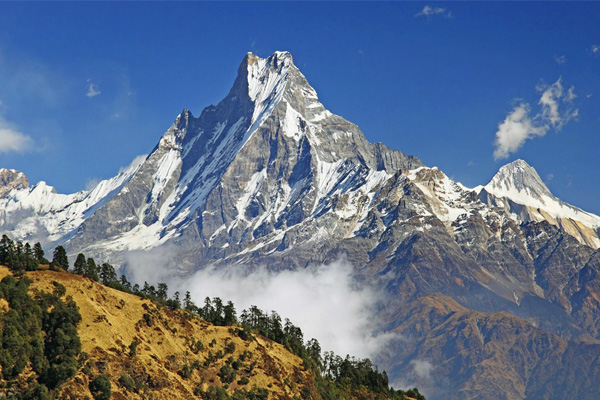
The Himalayas are not a single destination. They are a range stretching over 2,400 kilometers across five countries, containing dozens of distinct trekking regions, each with its own culture, terrain, season, and character.
If you want to trek the Himalayas properly, you need a plan, and that plan starts long before you lace up your boots at the trailhead.
Choose Your Region Before Your Route
The most common mistake first-time trekkers make is picking a route before picking a region. A famous trail name means little if the region doesn’t match your experience, your timing, or the kind of journey you want. The right region depends on your goal:
Nepal (Khumbu, Annapurna, Mustang): Well-developed trail infrastructure and excellent teahouse accommodation. Best for those who want a classic Himalayan experience with strong logistical support, such as the Everest Base Camp Trek.
Indian Himalayas (Ladakh, Spiti, Uttarakhand, Himachal Pradesh): More remote, more raw, and often more adventurous. Camping-based treks with fewer crowds, high-altitude deserts, alpine meadows, and cultural experiences that feel genuinely undiscovered.
Sikkim and Arunachal Pradesh: The eastern Himalayas. Lush rhododendron forests, Buddhist monasteries, and routes that see a fraction of the traffic of the western regions.
Season matters just as much. Spring (March to May) and autumn (September to November) are the prime windows across most of Nepal and the central and eastern Indian Himalayas. Ladakh and Spiti sit in the rain shadow, so they shine in summer, when the monsoon is soaking the southern slopes.
The Non-Negotiables Before You Go
Physical fitness. You need to be able to walk six to eight hours per day before you arrive. Build this through regular hiking, cycling, or running over at least three months. Train with a loaded backpack and include stairs or hill climbs, because descents test your knees as much as climbs test your lungs.
Gear. Layering is everything. A good base layer, mid layer, and waterproof outer shell covers most Himalayan conditions. Quality boots that are broken in before the trek are non-negotiable. A new pair worn for the first time on a ten-day route is a recipe for blisters.
Travel insurance. Get coverage that includes helicopter evacuation and explicitly covers trekking at your planned maximum altitude. In an emergency above 4,000 meters, a helicopter is often the only option, and the cost of evacuation without insurance is enormous.
Acclimatization awareness. Learn the symptoms of altitude sickness before you go: headache, nausea, dizziness, and loss of appetite. Climb high, sleep low, and build rest days into your itinerary. Know the golden rule: if symptoms worsen, descend immediately.
What Trekking the Himalayas Actually Feels Like
Day one feels manageable. Day three, when the altitude starts affecting your sleep and appetite, feels harder than expected. Day five, when you cross your first high pass and see the full scale of the range spread out below you, feels like nothing you have ever experienced.
In between are the moments no itinerary can capture: butter tea in a village kitchen, prayer flags snapping in the wind, a night sky so dense with stars it barely looks real. Some journeys go even further, like the Spiti Snow Leopard Expedition, where the frozen winter valleys offer a rare chance to track the most elusive cat in the mountains.
The discomfort and the reward are inseparable. That is what makes it real.
Frequently Asked Questions
What is the minimum fitness level needed to trek the Himalayas?
You should be able to complete a six-hour hike with 600 to 800 meters of elevation gain comfortably before attempting any serious Himalayan route.
Do I need a permit to trek in the Himalayas?
Yes, in most regions. Permits vary by location and nationality. In India, Inner Line or Protected Area Permits are required for restricted zones in parts of Ladakh, Spiti, Uttarakhand, Sikkim, and Arunachal Pradesh. Nepal requires national park or conservation area permits, plus special permits for regions like Upper Mustang. Your trek operator should handle this.
What should I pack for a Himalayan trek?
Essentials include layered clothing, broken-in boots, a sleeping bag rated to minus 10 Celsius, a first aid kit with altitude sickness medication, a water purification system, and sun protection.
Is it better to go independently or with a guided group?
For first-time Himalayan trekkers, guided travel is strongly recommended. An experienced guide manages acclimatization, route decisions, campsite logistics, and emergency response in ways that are difficult to replicate independently.
Ready for the Real Thing?
When you are ready, Captain Alpine Outdoors offers a range of guided Himalayan Treks across India and Nepal, built for trekkers who want the real thing.
Comments (0)
Want to join the discussion?
Log In to Comment