
The global smartphone industry is highly competitive, with manufacturers introducing new devices, camera technologies, processors, and software features every year. Some brands focus on premium smartphones, while others target customers looking for affordable devices with reliable performance. Their worldwide market share reflects how successfully they attract buyers across different regions.
According to IDC's final Q2 2026 shipment data, Samsung, Apple, Xiaomi, OPPO, and vivo were the five leading smartphone companies worldwide. Their combined position highlights the importance of product variety, brand recognition, pricing, and international distribution.
1. Samsung
Samsung held the leading position in IDC's Q2 2026 global smartphone shipment ranking, with a market share of 22.7%. The South Korean manufacturer offers smartphones across entry-level, mid-range, and premium categories.
Its Galaxy S series competes in the premium segment, while the Galaxy A series attracts customers looking for more affordable options. Samsung also develops foldable smartphones through its Galaxy Z lineup.
The company's global distribution network, display technology, and wide product selection help it reach customers with different budgets and preferences. Its continued investment in artificial intelligence and mobile photography also supports its competitive position.

2. Apple
Apple ranked second, with a 20.2% global shipment share in Q2 2026. Its iPhone lineup is particularly strong in premium smartphone markets, where customers often value performance, software integration, design, and long-term device support.
The company maintains a closely connected ecosystem involving iPhones, iPads, Macs, Apple Watches, and other services. This integration encourages customer loyalty and makes switching between devices less convenient.
Apple's camera technology, custom processors, and software updates remain important parts of its market strategy. Its strong performance in international markets makes it one of Samsung's closest competitors.

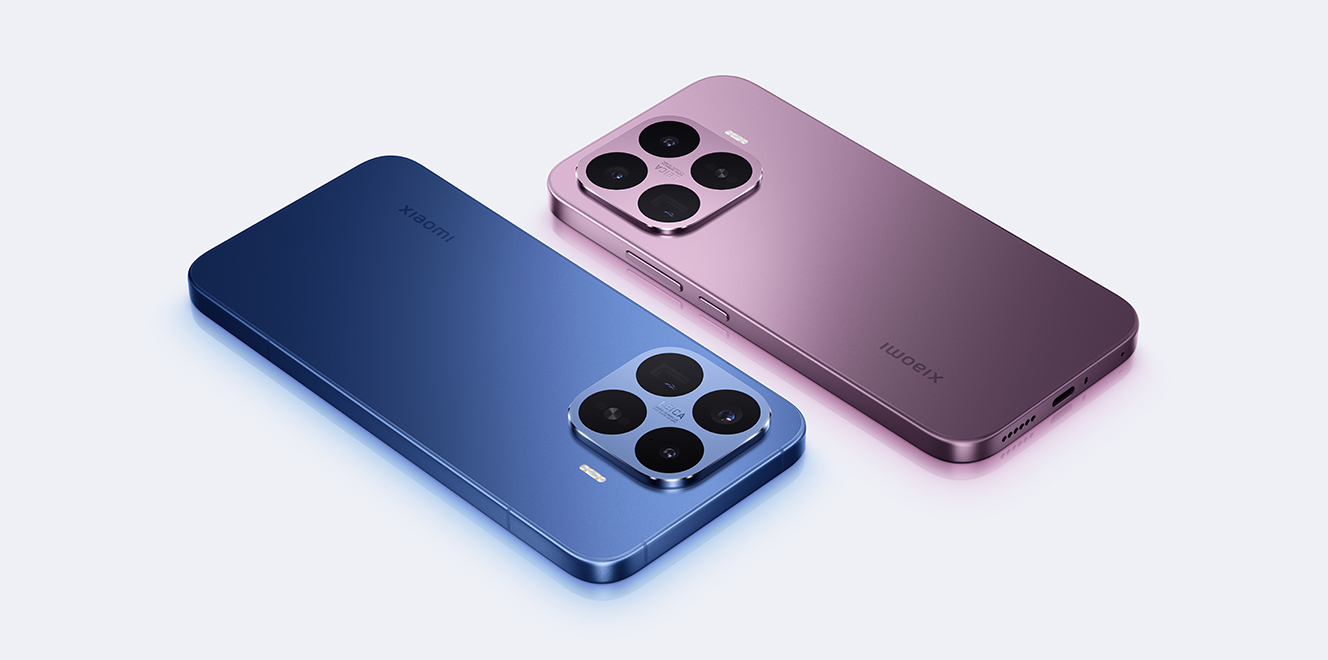
3. Xiaomi
Xiaomi held third place, accounting for 11.3% of global smartphone shipments in Q2 2026. The company has developed a strong international presence by offering devices across multiple price categories.
Its Xiaomi, Redmi, and POCO product lines target different consumer groups. Redmi smartphones are particularly recognized for their competitive pricing, while the main Xiaomi lineup focuses more heavily on premium specifications and advanced features.
The company competes through fast-charging technology, camera improvements, display quality, and hardware performance. Its broad product range helps it serve customers in markets where affordability remains an important buying factor.
4. OPPO
OPPO ranked fourth, with a 10.5% global shipment share in Q2 2026. The company is known for its smartphone photography, charging technology, and stylish device designs.
Its product portfolio includes the Find and Reno series, along with more affordable models in several markets. OPPO has invested in camera systems, portrait photography, display technology, and fast charging to differentiate its smartphones.
The company also benefits from a strong presence in Asian markets and an expanding international distribution network.

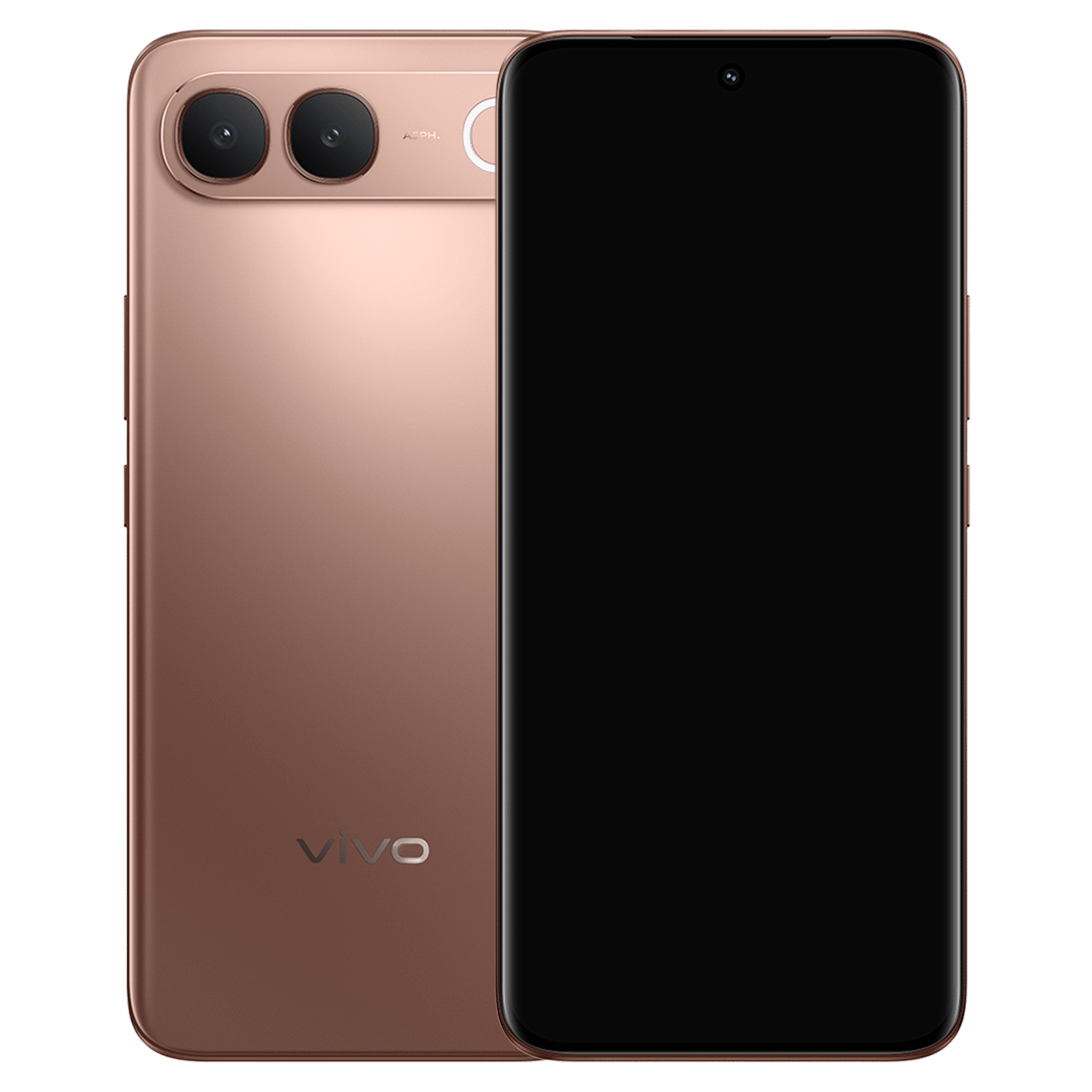
5. vivo
vivo completed the top five, with a 7.7% market share in Q2 2026. According to IDC, the company shipped approximately 21.2 million smartphones worldwide, representing a 19.6% decline compared with the same quarter in 2025.
Its X series targets the premium segment, while the V and Y series address mid-range and budget-conscious buyers. vivo has also developed partnerships and technology collaborations to improve mobile photography.
Its strong presence in markets such as India and China supports its position in the global smartphone industry.
Conclusion
Samsung, Apple, Xiaomi, OPPO and vivo demonstrate the diversity of the global smartphone market. While Samsung and Apple strengthened their positions during Q2 2026, the other three manufacturers experienced shipment declines. Each brand follows a different strategy, from premium ecosystem development to affordable devices and camera-focused innovation. As consumer expectations continue to change, competition will increasingly depend on artificial intelligence, battery technology, processing performance and long-term software support. The coming quarters will show how manufacturers adjust their products and pricing strategies to maintain their positions in an increasingly demanding market.
Comments (0)
Want to join the discussion?
Log In to Comment