
Technology has become an important part of everyday life, helping people complete routine activities more efficiently. From managing household appliances to monitoring personal fitness, modern gadgets are designed to save time, improve communication, and reduce repetitive tasks. Many devices now connect to smartphones or home networks, allowing users to control them through applications and voice commands.
As smart technology becomes more accessible, gadgets that once seemed unusual are becoming practical household tools. Their growing popularity reflects a shift toward products that offer convenience, flexibility, and easier access to everyday information.
1. Smartwatches and Fitness Trackers
Smartwatches have developed beyond simple digital watches. Modern models can monitor physical activity, track sleep patterns, display notifications, and provide access to selected smartphone functions. Many devices also include heart-rate monitoring, workout tracking, GPS, and other health-related features.
Users can check daily activity, read messages, or answer calls without repeatedly taking their phones out of their pockets. Fitness trackers offer a simpler alternative for people who mainly want to monitor steps, exercise, and sleep. By presenting activity information in an accessible format, these gadgets can help users understand their routines and maintain more consistent fitness habits.
2. Robot Vacuum Cleaners
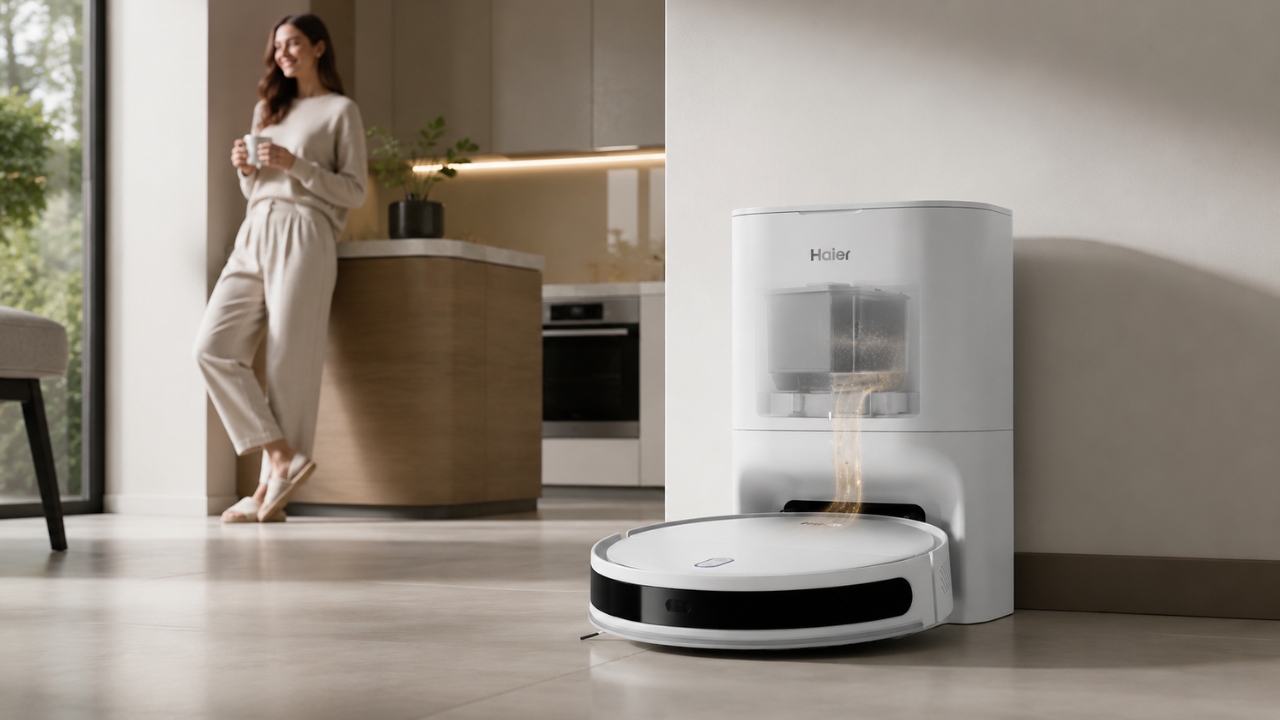
Robot vacuum cleaners help reduce the time spent on everyday floor cleaning. These devices move around rooms automatically, collecting dust, hair, and small pieces of debris. Many modern models use sensors, cameras, or mapping technology to identify obstacles and navigate different areas.
Some devices can recognize room layouts, remember cleaning routes, and return to their charging stations when their batteries run low. More advanced versions combine vacuuming and mopping functions, reducing the need for separate cleaning equipment.
Scheduling features allow users to set cleaning times through mobile applications. This is particularly useful for busy households where regular floor maintenance can become a repetitive task.
3. Smart Speakers
Smart speakers combine audio entertainment with voice-controlled assistance. Users can play music, check weather information, set reminders, create shopping lists, and control compatible smart home devices.
Products such as Amazon Echo and Google Nest use voice assistants to respond to spoken instructions. This allows people to complete simple tasks without manually operating a phone or computer. For example, someone preparing a meal can set a timer or check a measurement using a voice command.
When connected to compatible lighting, plugs, and appliances, smart speakers can also become central control points for a connected home. Their usefulness depends on device compatibility and reliable internet access.

4. Wireless Earbuds
Wireless earbuds have made listening to music, attending calls, and enjoying digital entertainment more convenient. Their compact design eliminates the need for traditional wired connections, making them easier to carry during daily activities.
Many models now include active noise cancellation, touch controls, built-in microphones, and automatic device pairing. Some premium versions also offer spatial audio and sound personalization. These features can improve listening experiences in different environments.
Wireless earbuds are particularly useful for commuters, remote workers, students, and people who exercise regularly. Portable charging cases provide additional battery capacity, allowing users to carry them throughout the day without needing frequent access to a power outlet.

5. Smart Home Security Devices
Smart security gadgets help households monitor their properties and manage access remotely. Common examples include video doorbells, wireless security cameras, smart locks, and motion sensors.
Video doorbells can show visitors through a connected smartphone, while security cameras allow users to check selected areas of their homes from a distance. Smart locks can provide keyless entry and temporary access codes for approved visitors, making it easier to manage access when household members are away.
However, convenience should not come at the expense of privacy. Users should choose strong passwords, install software updates, and review device permissions to reduce potential security risks.

Conclusion
Smartwatches, robot vacuums, smart speakers, wireless earbuds, and smart security devices demonstrate how technology can simplify everyday activities. Each gadget addresses a different need, whether it involves personal organization, household maintenance, communication, or security. As connected technology continues to improve, practical usefulness, reliable performance, and ease of operation will remain important factors influencing consumer adoption.
Comments (0)
Want to join the discussion?
Log In to Comment