
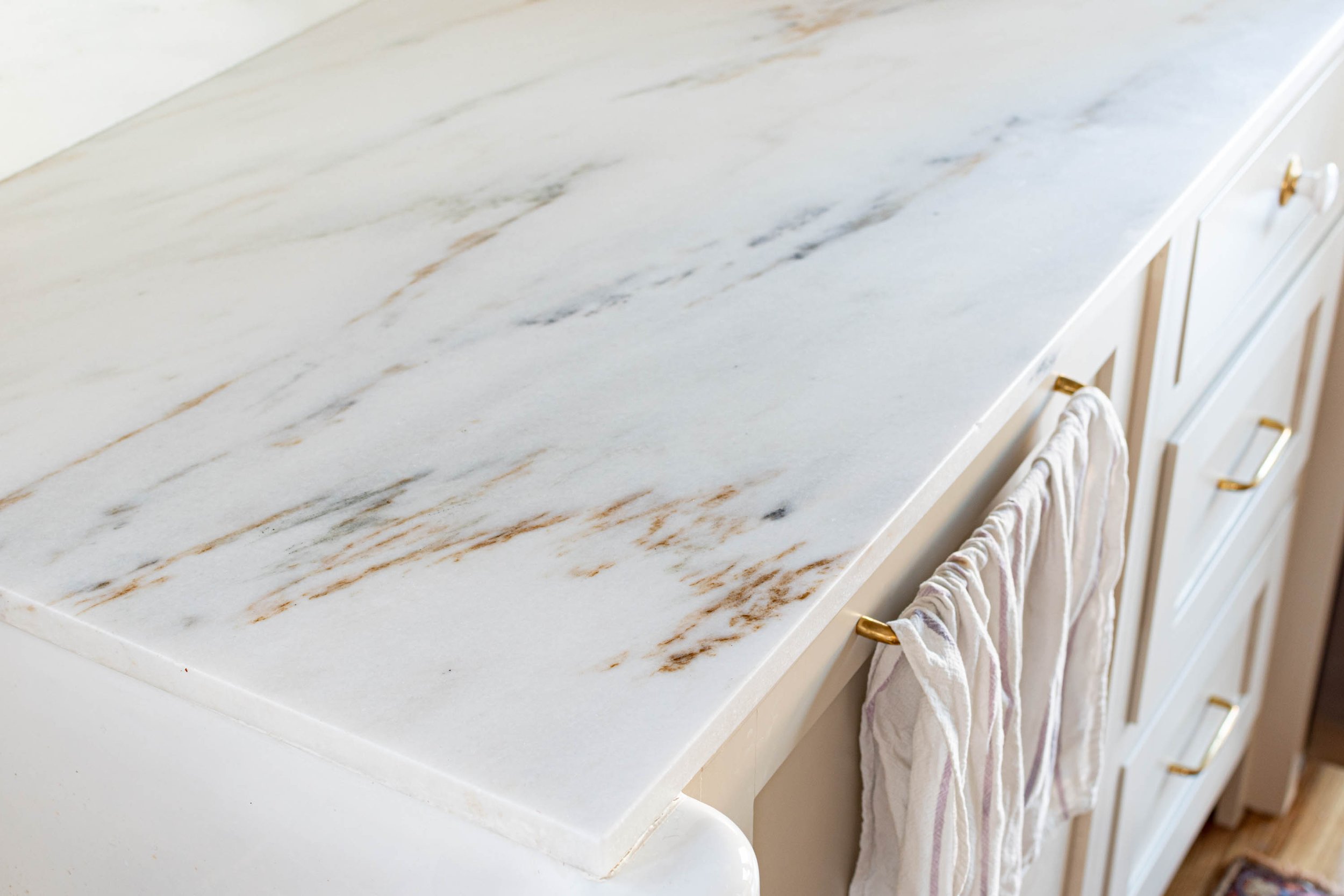
 Marble countertops can give a kitchen or bathroom a distinctive appearance. Their natural veining, soft colors, and smooth texture create a design that many homeowners appreciate. However, selecting marble involves important decisions about maintenance, pricing, fabrication, and installation. Unlike some engineered materials, marble changes naturally with use. Daily cooking, cleaning products, and accidental spills can affect its appearance over time. Therefore, we should understand both its advantages and limitations before making a purchase. With careful planning, marble can become an attractive feature that complements the home's design and suits our lifestyle.
Why Marble Remains a Popular Countertop Material
Natural marble countertops offer unique patterns that give kitchens and bathrooms a distinctive look. Marble forms through geological processes that change limestone or similar carbonate rocks under heat and pressure. As a result, the finished stone can display flowing veins, subtle clouds, and different mineral colors. Marble works with many interior styles. For example, white marble can complement dark cabinets and create strong contrast. Meanwhile, cream or beige varieties can add warmth to traditional kitchens. However, marble is softer and more sensitive to acids than granite or many engineered surfaces. Therefore, we should select it with realistic expectations about daily care. A beautiful countertop should fit the household's needs rather than only match a design photograph.
Understanding Different Marble Colors and Patterns
Marble comes in many colors, including white, gray, beige, black, and green. White marble with gray veining remains a popular choice because it provides a bright, classic appearance. However, some homeowners prefer warmer varieties with cream backgrounds or gold-toned patterns. Darker marble can create a dramatic design, especially when paired with light cabinetry. Since marble is a natural material, color and vein movement differ between slabs. Therefore, we should examine the actual stone rather than making a decision from a small sample.
Comparing Carrara and Calacatta Marble
Carrara marble often features a white-to-gray background with softer gray veining. Its appearance can work well in kitchens that need subtle natural movement. Calacatta marble commonly displays a brighter background and more pronounced veining, although each slab varies. Both names describe broad groups of natural stone rather than one perfectly uniform appearance. Therefore, we should compare individual slabs instead of assuming every stone with the same name looks identical.
Match Marble With the Room's Design
The surrounding finishes influence how marble appears. For example, white cabinets can create a coordinated appearance with pale marble. Natural wood cabinetry can add warmth and contrast. Dark cabinets may highlight the stone's lighter background and veining. We should also compare backsplash tiles, flooring, hardware, and lighting before finalizing the selection. A balanced combination helps the marble look like a natural part of the room.
Is Marble Suitable for a Busy Kitchen?
Marble can work in a kitchen, but it requires more care than some alternatives. The stone contains carbonate minerals that react with acids. Therefore, lemon juice, vinegar, and certain cleaning products can cause etching. Etching differs from ordinary staining. It changes the stone's surface appearance and may leave a dull mark. Although sealing can reduce the absorption of some liquids, it does not prevent acidic substances from reacting with marble.
Understanding Daily Maintenance
We should clean spills promptly, especially when they contain oils, wine, citrus juice, or strongly colored ingredients. A soft cloth and suitable stone cleaner generally work well for routine maintenance. Cutting boards also help protect the surface from scratches and everyday wear. Meanwhile, trivets provide additional protection when handling hot cookware. However, homeowners who prefer a surface that maintains an unchanged appearance with little attention may want to compare other countertop materials. Marble can be a good choice when we appreciate natural variation and accept its maintenance requirements.
Choosing Between Polished and Honed Marble
The surface finish affects both appearance and everyday care. Polished marble has a reflective finish that highlights its colors and natural veining. It often creates an elegant look in kitchens and bathrooms. However, acidic etching may appear more noticeable on polished surfaces because it changes the shine. Honed marble has a softer, lower-sheen appearance. This finish can make certain dull marks less visually obvious, although it does not prevent etching.
Which Finish Works Better?
The right choice depends on our design preferences and how the countertop will be used. For example, polished marble may suit a decorative bathroom vanity where the stone receives limited exposure to acidic substances. Meanwhile, honed marble may appeal to homeowners who prefer a relaxed natural appearance. We should examine both finishes under real lighting conditions. It also helps to ask the supplier how the chosen finish responds to everyday cleaning and wear.
Planning Marble Countertops Around the Kitchen Layout
Countertop layout influences both appearance and installation cost. A large kitchen island can display natural marble veining across a broad surface. However, slab dimensions may limit the available layout. If the design requires multiple sections, the fabricator needs to plan seam placement carefully. We should also think about sink cutouts, cooktop openings, and countertop overhangs.
Why Slab Selection Matters
Marble slabs often contain distinctive vein patterns. Therefore, cutting the stone without considering pattern direction may affect the finished appearance. When possible, we should review the proposed slab layout before fabrication begins. For example, a bold vein may look attractive running along the length of an island. However, the same pattern could appear interrupted if seam placement receives little attention. Careful planning helps create a coordinated design. Nevertheless, natural stone patterns cannot always match perfectly across separate sections.
What Determines the Price of Marble Countertops?
Understanding the cost of marble countertops helps homeowners create a realistic renovation budget. Marble pricing depends on stone variety, slab quality, thickness, availability, and fabrication requirements. Some marble varieties cost more because of their appearance or limited availability. Moreover, large countertops, complex layouts, and decorative edge profiles may increase fabrication expenses. Installation labor also contributes to the total investment. Therefore, we should compare complete estimates instead of focusing only on stone prices.
Additional Costs to Consider
Removing existing countertops may involve separate charges. Sink cutouts, backsplash installation, cabinet adjustments, and plumbing work can also affect the project budget. For example, an older cabinet system may need reinforcement or leveling before supporting new stone. We should discuss these requirements early. A written estimate should explain the selected material, expected work, and any services that are not included. This makes it easier to compare proposals and avoid unexpected expenses.
Marble Countertops for Bathroom Vanities
Marble can create an attractive bathroom design, especially when paired with neutral cabinets and simple fixtures. A white marble vanity top may brighten a small bathroom. Meanwhile, a darker stone can create a distinctive feature in a larger space. However, bathrooms also contain products that may damage marble. Certain cosmetics, cleaners, and personal care products contain acidic or staining ingredients. Therefore, careful cleaning remains important.
Consider Sink Placement and Storage
A beautiful vanity should still provide enough room for everyday items. We should consider sink size, faucet placement, and available counter space before choosing the marble dimensions. For shared bathrooms, a double-sink vanity may offer convenience. However, it requires sufficient width and storage. A single sink may provide more uninterrupted surface space. The best arrangement depends on the household's daily needs and the available room.
Why Professional Marble Fabrication Matters
Marble needs careful handling during cutting, transportation, and installation. Although it is an attractive stone, some varieties contain natural fissures or areas that require additional attention. Fabricators must also prepare accurate sink openings, edge profiles, and seams. Therefore, selecting experienced professionals is an important part of protecting the investment.
Preparing for Installation
Cabinets should be stable and properly supported before countertop installation. The installer should review the layout, slab thickness, and any unsupported sections. We should also confirm sink and faucet specifications before fabrication begins. If the countertop requires a seam, the team should explain its approximate location. These steps help reduce complications and make the installation process more predictable.
Choosing the Right Countertop Installation Team
A reliable installation team should explain the project clearly and help homeowners understand the work involved. For homeowners in Dublin and Columbus, Ohio, comparing local countertop installers can help identify suitable fabrication services, available materials, and installation requirements. We should ask whether measurements, fabrication, delivery, and installation are included in the estimate. It is also important to clarify responsibility for plumbing work and old countertop removal. Reviewing previous project examples can help us understand the installer's experience with natural stone. However, appearance alone should not determine our choice. Clear specifications and reliable communication matter just as much.
Protecting Marble After Installation
Marble requires regular care to maintain its appearance. A suitable impregnating sealer can reduce absorption, but the need for sealing depends on the stone and product. We should follow the stone professional's recommendations rather than applying sealers without guidance. Daily cleaning should involve gentle products suitable for natural marble. Harsh acidic cleaners and abrasive pads can damage the finish.
What to Do About Scratches and Etching
Small marks may develop through normal use. Some homeowners appreciate this natural aging because it gives marble a lived-in appearance. However, deeper scratches or noticeable etching may require professional restoration. We should avoid using untested polishing compounds or household acids to correct the damage. Professional assessment can help determine whether honing or polishing is appropriate.
Is Marble the Right Long-Term Investment?
Marble can offer lasting beauty when we understand its care requirements. However, it is not the best material for every household. A busy kitchen with frequent exposure to acidic ingredients may benefit from a more forgiving alternative. Meanwhile, a decorative bathroom or carefully maintained kitchen may provide a suitable setting for marble. We should also avoid assuming that expensive stone automatically increases property value by the same amount. Instead, the overall kitchen or bathroom design, installation quality, and local market preferences influence renovation value. Choosing marble should begin with our personal needs and expectations.
Final Thoughts
Marble countertops can create a refined appearance in kitchens and bathrooms. However, the investment involves more than selecting an attractive slab. We should consider stone varieties, finishes, maintenance, installation quality, and total project costs before purchasing. Moreover, understanding marble's sensitivity to acids helps us decide whether it matches our daily habits. When we balance beauty with practical expectations, marble can become a distinctive and satisfying feature of the home.
Frequently Asked Questions About Marble Countertops
1. Are marble countertops worth the investment?
Marble countertops can be a worthwhile investment for homeowners who appreciate natural beauty and distinctive veining. They can complement both traditional and modern kitchens. However, marble requires regular care because acidic substances can damage its finish. Therefore, homeowners should consider their lifestyle, maintenance preferences, and renovation budget before purchasing.
2. How much do marble countertops cost?
Marble countertop costs depend on the stone variety, slab quality, thickness, fabrication, and installation requirements. Premium marble varieties may cost more because of their distinctive patterns or limited availability. Additionally, sink cutouts, decorative edges, and cabinet adjustments can increase the total project expense.
3. What is the difference between polished and honed marble?
Polished marble has a glossy, reflective surface that highlights its natural colors and veining. Meanwhile, honed marble has a smooth, matte appearance that can make certain surface marks less noticeable. However, both finishes remain vulnerable to acidic etching and require appropriate maintenance.
4. Which marble is best for kitchen countertops?
Carrara and Calacatta are popular marble varieties for kitchen countertops. Carrara typically features softer gray veining, while Calacatta often displays bolder patterns. However, the best choice depends on cabinet colors, kitchen lighting, budget, and personal design preferences. Homeowners should compare actual slabs before making a decision.
5. Do marble countertops need sealing?
Many marble countertops benefit from sealing to help reduce liquid absorption and staining. However, sealing frequency depends on the stone's porosity, the sealer used, and daily use. Importantly, sealing does not prevent acidic substances from causing etching. Homeowners should follow professional stone care recommendations.
6. How long do marble countertops last?
Marble countertops can last for several decades with suitable installation and proper maintenance. However, their appearance may change over time due to scratches, stains, and etching. Regular cleaning, prompt spill removal, and professional restoration when necessary can help maintain their appearance.
7. What should homeowners check before marble countertop installation?
Before installation, homeowners should confirm cabinet stability, countertop measurements, slab thickness, sink openings, and seam placement. Additionally, they should review the selected marble slab and discuss fabrication details with the installer. A written estimate should clearly explain installation services, additional costs, and project responsibilities
Comments (0)
Want to join the discussion?
Log In to Comment