
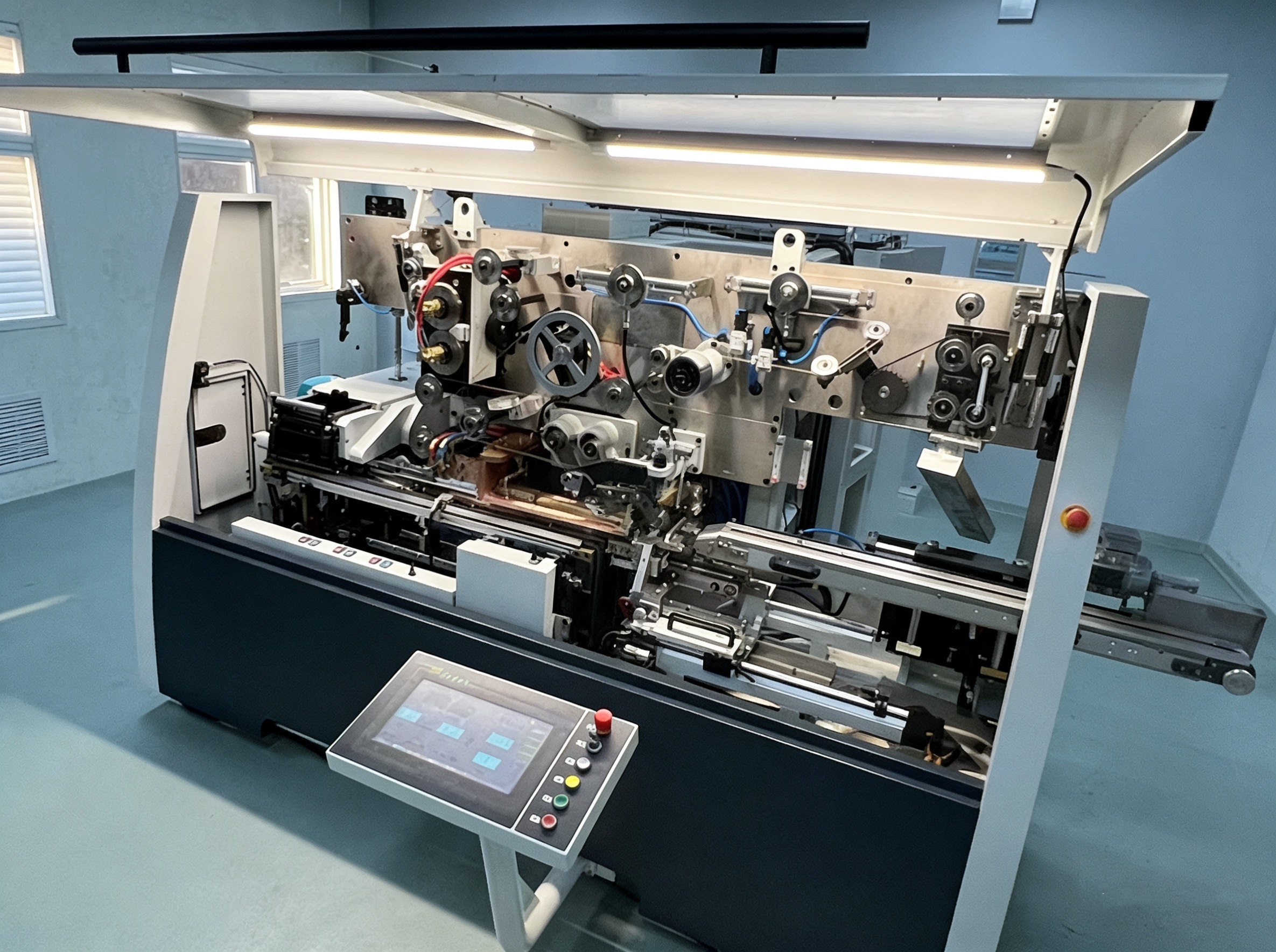
A factory acceptance trial lets a canmaker observe how a proposed welder handles representative material and formats. Write down what the trial should demonstrate, who will record the observations and what must be checked after installation. Share the plan before shipping samples so both sides can agree on the setup and prepare enough material.
Build a trial matrix around the production mix
Choose a format that represents normal production and another that presents a different setup or handling requirement. Use the buyer's drawings to identify each format. List the intended sheet material, thickness and any coating on the blank. Label each batch so finished samples and machine observations can be traced back to the material used. Ask how many blanks the supplier needs for setup, the observed run and repeat checks.
Record the tooling proposed for each format and confirm how closely the trial equipment matches the purchase specification. If the demonstration uses a temporary feeder or discharge arrangement, describe it in the plan. Ask the supplier which observations apply to the purchased configuration and which require a check on the installed line. This is especially useful when some equipment is being supplied by a different vendor.
Agree on a run you can observe
Ask the supplier to describe the sequence, run duration and method for counting output. Record setup and the timed run separately. During the run, note the format, material batch, start and stop times, accepted bodies and interruptions. Ask the operator to explain what caused each stop and what had to happen before production resumed. Keep a short record of any feeding adjustments so the production team can review them after the demonstration.
Include a format change if the plant expects to switch sizes regularly. Agree on the start and end points in advance. For example, the end point could be the first body accepted under the agreed inspection method after the new setup. Record the parts changed, the adjustments made and any assistance required from the supplier. This gives the buyer a clearer view of the work involved in a normal shift.
Define what makes a sample acceptable
Ask the buyer's quality team and the supplier to agree on the inspection method and acceptance criteria for each format. Identify the drawings or specifications used to judge the samples. Record when in the run the samples were taken. Retain labeled examples if the buyer needs to review them later. If the finished container requires a downstream test, list that test separately and agree on when and where it will take place.
If weld monitoring is part of the quote, include it in the trial. Agree on what the operator should see and what should happen when the system signals an exception. Ask the supplier to demonstrate the functions included in the quote and record any functions that require additional equipment or integration. Make a note of how the team can retrieve the information if reviewing the record later is part of the agreed scope.
Close the trial with a clear action list
Review each agreed item before leaving the factory. Record the observation, the next action, the responsible person and the expected date for each open item. Mark which checks depend on the installed line, site utilities or downstream equipment. Keep the trial record with the purchase specification so the commissioning team can refer to it on site.
A practical trial record can fit on one sheet. Give it fields for the format and material batch, machine setup, accepted output, stops, sample checks and changeover observations. Leave room for open actions and the names of the people who reviewed them. Share the sheet before the trial and use that same version during the demonstration.
Prepared by WEYEE for Golden Eagle & Estes using public product information and a buyer-side trial checklist. For projects considering the SMART Series Can Body Welder, send the proposed trial matrix to the supplier and confirm the equipment configuration before shipping samples.
Comments (0)
Want to join the discussion?
Log In to Comment