
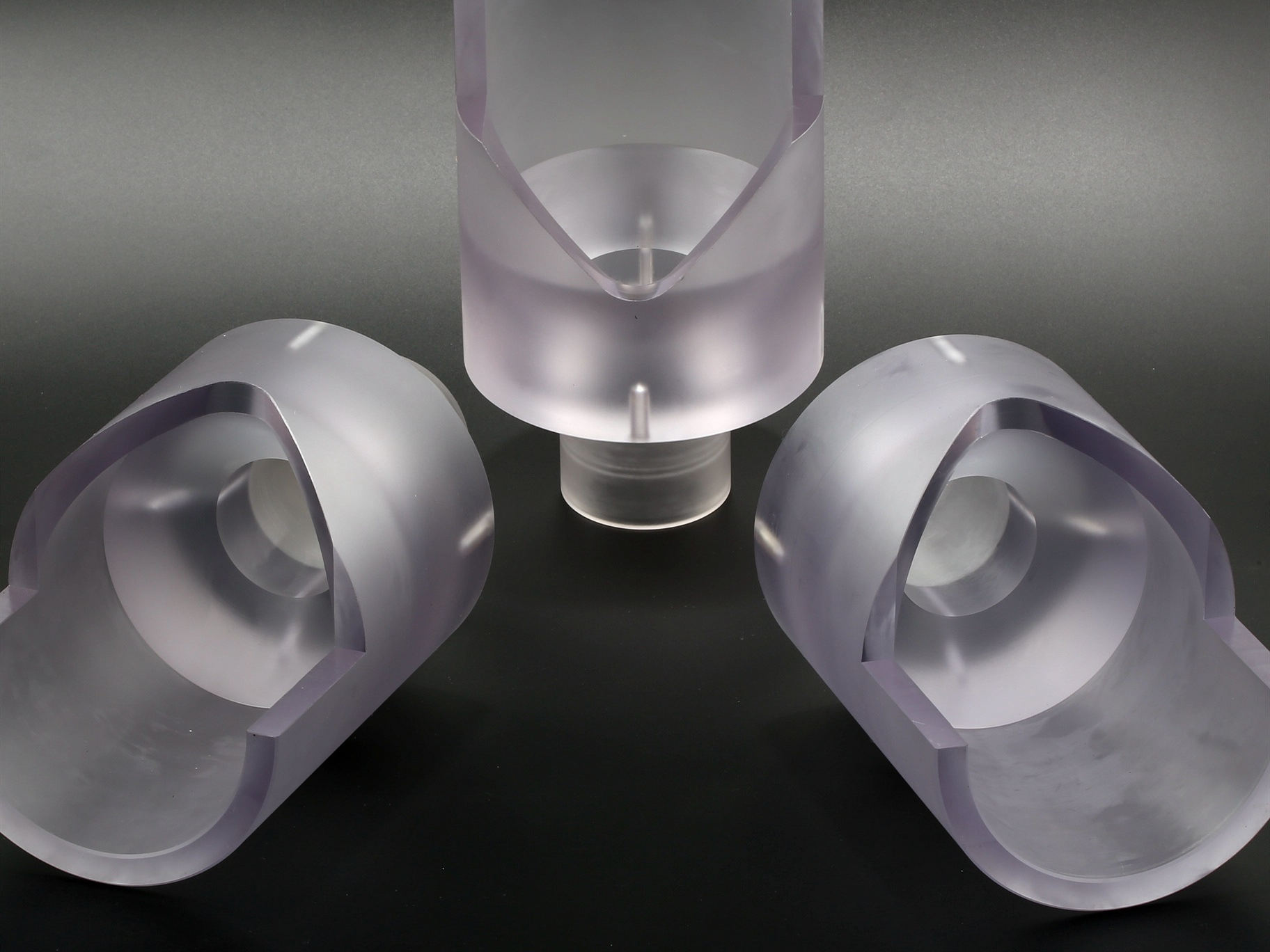
Choosing the right manufacturing process is essential when developing custom prototypes or producing components in limited quantities. Urethane casting is a widely used manufacturing method for creating high-quality plastic parts with detailed features, smooth surface finishes and functional properties. It offers an effective solution for businesses that need production-ready components without investing in expensive injection moulding tools. From product development to industrial applications, this process allows manufacturers to create customised parts while maintaining flexibility in design and production.
However, the quality of the final component depends on selecting an experienced manufacturing partner. Professional Urethane Casting Services should provide suitable polyurethane materials, accurate silicone moulds, consistent casting quality and technical support throughout the production process. Businesses should evaluate manufacturing capabilities, material options, dimensional accuracy and turnaround times before choosing a supplier.
Whether you are developing a new product, testing a design or manufacturing a small batch of custom components, understanding the capabilities of urethane casting can help you make informed production decisions. The right manufacturing partner can reduce development costs, improve product quality and simplify the transition from prototyping to low-volume manufacturing.
1. Understand Your Prototype and Production Requirements
Before selecting a urethane casting manufacturer, clearly define your project's objectives and technical requirements. Different applications require different material properties, manufacturing tolerances and surface finishes. A prototype designed for visual evaluation may not need the same mechanical performance as a functional component intended for repeated use.
Start by identifying whether you need appearance models, functional prototypes, replacement components or small production batches. Consider the dimensions, geometry, expected operating conditions and mechanical requirements of the finished parts.
For example, automotive components may require impact resistance and dimensional stability, while electronic product housings may need precise dimensions and an attractive surface finish. Sharing these requirements with your manufacturer helps determine the most appropriate polyurethane resin and moulding approach.
2. Evaluate Available Polyurethane Casting Materials
Material selection plays an important role in determining the performance, appearance and durability of cast components. Polyurethane resins are available in different formulations that can replicate several properties of conventional plastics and rubber-like materials.
Some commonly considered material characteristics include:
- Rigid polyurethane: Suitable for structural components, housings and hard plastic prototypes.
- Flexible polyurethane: Used for components requiring elasticity, cushioning and flexibility.
- Transparent polyurethane: Appropriate for clear prototypes, display components and visual product models.
- High-impact polyurethane: Suitable for parts that require improved resistance to mechanical stress and impact.
- Rubber-like polyurethane: Used for seals, protective components, grips and flexible product features.
When comparing polyurethane casting materials, evaluate tensile strength, hardness, elongation, impact resistance and temperature performance. An experienced manufacturer should help you select a material based on the intended application rather than relying on general-purpose resin.
3. Check Silicone Mould Quality and Manufacturing Capabilities
Silicone moulds are essential to the urethane vacuum casting process. They are generally created using a master pattern, which is often produced through high-resolution 3D printing or CNC machining. Liquid silicone is formed around the master pattern to create a mould capable of reproducing its details.
The quality of the master pattern and silicone mould directly influences the accuracy and appearance of the final component.
When evaluating a manufacturing provider, consider the following:
- Master pattern production capabilities.
- Silicone mould preparation and consistency.
- Ability to reproduce fine details and complex geometries.
- Proper venting and gating arrangements.
- Experience with vacuum casting equipment.
- Mould durability and repeatability.
A well-prepared mould helps minimise common manufacturing defects, including air bubbles, surface imperfections, incomplete filling and dimensional inconsistencies. These factors are particularly important when producing multiple components from the same mould.
4. Assess Surface Finish and Dimensional Accuracy
One of the major advantages of vacuum casting is its ability to produce parts with detailed features and smooth surface finishes. However, the final quality depends on pattern preparation, mould condition, resin selection and process control.
Before selecting a supplier, discuss the dimensional tolerances required for your components. This is especially important for parts that need to fit with other mechanical or electronic assemblies.
You should also review the available finishing options. Depending on the application, post-processing may include sanding, trimming, painting, polishing and surface texturing.
For appearance prototypes, colour matching and surface consistency may be important considerations. For functional components, dimensional stability and mechanical properties should receive greater attention.
A reliable manufacturer should have suitable inspection procedures to verify that finished components meet the agreed specifications.
5. Consider Production Volume and Turnaround Time
Urethane casting is particularly useful for rapid prototyping and low-volume manufacturing because it does not require the expensive metal tooling typically associated with injection moulding.
This makes the process suitable for businesses that need a limited number of customised parts, product samples or pre-production components.
Before placing an order, confirm the manufacturer's production capacity, expected mould preparation time, casting cycle and delivery schedule. Also ask how many usable parts can reasonably be produced from each silicone mould.
For projects involving multiple design iterations, choose a manufacturer that can accommodate design modifications and repeat production requirements. This flexibility can help businesses validate their products before committing to large-scale manufacturing.
6. Compare Manufacturing Costs and Quality Control
Production cost is another important factor when choosing a urethane casting supplier. The overall quotation may depend on master pattern production, silicone mould preparation, resin consumption, component dimensions, casting complexity and finishing requirements.
Rather than comparing suppliers solely on their quoted prices, evaluate the complete manufacturing value. A lower quotation may not provide the same material quality, dimensional accuracy or finishing standards.
Ask manufacturers whether their quotations include pattern preparation, mould fabrication, casting, finishing and inspection. Understanding these details helps prevent unexpected expenses during production.
Quality control is equally important. Consistent resin mixing, proper degassing, controlled curing and dimensional inspection contribute to reliable cast urethane parts. These checks become especially valuable when manufacturing multiple components for the same project.
7. Review Technical Support and Customisation Options
An experienced manufacturing partner should offer technical guidance throughout the product development process. This includes reviewing CAD files, identifying potential design limitations, recommending suitable materials and suggesting improvements to mould design.
Design for manufacturing considerations can help reduce material waste, improve mould filling and minimise production defects. Manufacturers with additional capabilities such as CNC machining, 3D printing and finishing services can also support different stages of product development.
Having access to multiple manufacturing processes through one supplier can simplify project coordination and help businesses choose the most appropriate solution for each component.
Conclusion
Selecting a suitable manufacturing partner requires careful evaluation of material expertise, silicone mould quality, production capabilities, dimensional accuracy and quality control. Businesses should also consider production volume, turnaround time and technical support before making a final decision.
For companies developing custom prototypes or requiring limited production quantities, Urethane Casting Servicesprovide a practical manufacturing solution with design flexibility and material versatility. Choosing an experienced supplier helps ensure that components meet their functional and appearance requirements while keeping production costs manageable.
At FacFox, businesses can explore custom urethane vacuum casting solutions for product prototypes, functional components and low-volume manufacturing. With professional manufacturing support and customised production options, FacFox helps transform product designs into accurately manufactured physical components.
Comments (0)
Want to join the discussion?
Log In to Comment