
A heavy duty forklift storage cover protects a parked lift from sun, rain, dust, and debris. Choosing the right cover depends on where the forklift is parked and the environmental conditions it faces. Outdoor yards require weather-resistant fabric and a secure fit to withstand wind, while warehouses need dust protection, easy access, and good visibility.
Most forklifts spend more hours parked than in operation, whether overnight, on weekends, or between busy seasons. In outdoor yards, this means extended exposure to changing weather conditions. In warehouses, dust accumulation and aisle traffic can also affect equipment condition. This guide explains how these environments differ and what to consider when choosing the right forklift storage cover for each setting.
What Is a Heavy-Duty Forklift Storage Cover?
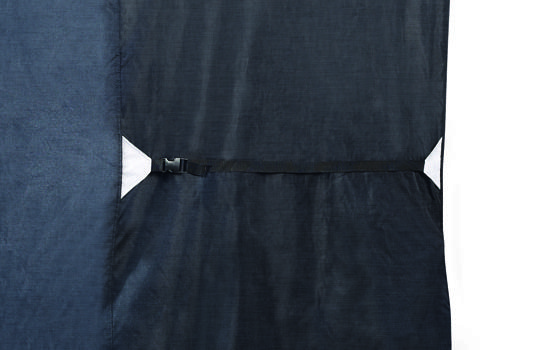
A forklift storage cover is a fitted cover that goes over a parked lift. It shields the mast, overhead guard, seat, controls, and power compartment from outside conditions. The heavy-duty versions are made with thicker fabric, reinforced seams, and a fastening system, such as straps or an elastic hem, so the cover stays on and holds up to repeated use.
Most are made from woven polyester or coated fabric. Fabric weight is listed in ounces, and 8 oz is a common specification for heavy-duty covers. Covers are also sized according to forklift dimensions and, where applicable, weight capacity, so check both before you order.
Using a Forklift Cover in the Yard
Storing a forklift outdoors exposes it to changing weather conditions.
- Rain and snow: Moisture gets into wiring, connectors, and bare metal. Over time, that can lead to corrosion and electrical faults.
- Sunlight: UV rays can crack seat vinyl, fade paint, and damage rubber parts, hoses, and plastic trim.
- Wind, dust, and debris: Grit, leaves, and bird droppings collect on and around the lift, and loose covers can flap or blow off.
Using a Forklift Cover in the Warehouse
Indoor lifts avoid rain and sun, but they still pick up damage.
Dust: Woodworking shops, packaging areas, cement and grain handling all produce fine particles that settle on controls and in compartments.
Contact: In busy aisles, parked lifts get bumped by pallets, carts, and other vehicles.
Condensation: Temperature fluctuations around loading docks and cold storage areas can cause condensation to form on metal surfaces.
A warehouse cover should be breathable and quick to remove, since operators often start a shift by uncovering the lift. An opening or zipper near the operator area helps. Reflective tape is also useful. It makes a parked lift easier to see in dim aisles, which lowers the chance of someone walking or driving into it.
Storage with a forklift also works better with a plan. Set aside a marked parking area, leave clear space around each unit, and keep walkways open so people can get past safely.
Yard vs. Warehouse: Quick Comparison
|
Factor |
Yard |
Warehouse |
|
Main risks |
UV, rain, snow, wind |
Dust, contact, condensation |
|
Fabric priority |
Water-resistant, UV-stable |
Breathable, dust-blocking |
|
Fit |
Secure, wind-resistant |
Easy on and off |
|
Ventilation |
Essential |
Important |
|
Visibility features |
Helpful |
Very useful |
Features to Look for in a Heavy-Duty Forklift Storage Cover
Whichever environment you’re buying for, check these points:
Fabric type and weight. Woven polyester at around 8 oz is common for heavy-duty use. Look for a stated weight rather than the word “heavy duty” alone.
UV and water resistance. This matters most for outdoor use.
Ventilation. Vents or the airflow design eliminates trapped moisture.
Secure fit. The cover should stay securely in place on the forklift because of the straps, buckles, and elastic/bungee hem.

Access. Zippers or openings around the operator area make the cover easier and quicker to remove.
Reflective tape. Allows for better illumination from both the front and back in poor lighting.
Seams and edges. Check that seams and edges are reinforced and properly finished to prevent fraying and premature wear.
Size and weight range. Confirm the cover’s dimensions and the lift capacity it’s made for.
Measure your lift before you buy. You need its length, width, and overall height, including the overhead guard and mast at their lowest position. Compare those numbers to the cover’s listed size. If your lift has a tall mast or extra attachments, you may need a larger size.
How to Fit and Maintain a Forklift Cover
Putting it on:
- Allow the forklift to cool down before covering it after extended operation.
- Remove loose debris from the lift.
- Cover the lift and position any sizing flags or markings.
- Tie them securely and make sure the bottom hem is even.
Maintaining it:
- Ensure you have cleaned/washed the dirt off of the cover and allowed it to dry entirely prior to folding.
- Inspect seams, zippers, and fasteners every few weeks.
- Replace the cover when the fabric thins, tears, or no longer holds its shape.
Common mistakes:
- Covering a wet or hot lift, which traps moisture and heat
- Leaving the cover loose, which lets wind get underneath
- Blocking the vents with folds or straps
- Using the same cover long after the fabric has worn down
Conclusion
Yards and warehouses put different demands on a parked forklift. Outdoors, the cover has to handle UV rays, water, and wind. Indoors, it needs to protect against dust, accidental contact, and frequent daily use. Proper storage with forklift protection starts with choosing a heavy-duty forklift storage cover made from suitable fabric, with a secure fit and adequate ventilation for your environment. Over time, this can help reduce repair costs and preserve resale value. Before buying, check that the cover's dimensions, fabric weight, ventilation, and fastening system are suitable for your forklift and storage environment to ensure reliable protection.
Comments (0)
Want to join the discussion?
Log In to Comment