
Lift the cover off your patio table in spring, and you expect a clean, dry tabletop. Too often you get a musty smell, grey spots of mildew, and a cover that held more water than it kept out.
A rectangular table makes this worse than most furniture. The surface is long and flat, so rain pools on it, the sun hits it all day, and wind finds an easy way under the edges. The best outdoor furniture covers deal with all of that, and the difference usually comes down to a few details you can check before you buy.
Why a Rectangular Table Needs a Real Cover
A dining table is usually the largest piece of a patio and one of the most expensive. Left bare, the top takes everything: rain, UV, pollen, bird droppings, and snow or ice in colder regions. Wood warps and splits, metal frames rust at the joints, and resin fades and turns brittle.
A good cover costs far less than refinishing or replacing a table. A bad one can do harm by trapping moisture against the surface, so the choice matters more than most people expect.
Six Things That Separate Good Outdoor Covers From Bad Ones
- Woven fabric, not layered fabric
Many budget covers are made from thin, layered polypropylene, a bonded sheet that feels like paper. It tends to tear at the corners and can start to peel after a season or two. Woven polyester is made from actual threads, like cloth, and holds up much better. If the product page says “woven,” that’s a good sign. If it says nothing about how the fabric is made, assume the worst.
- Water resistance and UV protection
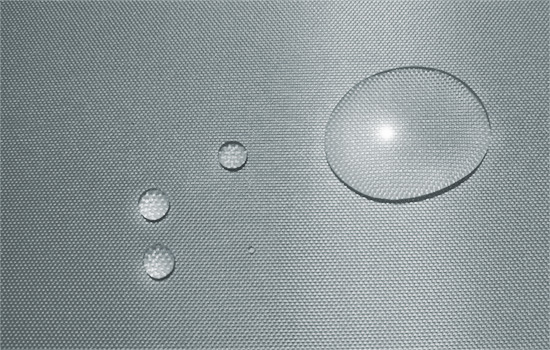
Most covers are water-resistant rather than fully waterproof, and that’s fine. A completely sealed cover can hold in condensation. What you want is a coated fabric that sheds rain and blocks UV. Sun damage is slower than water damage, but it’s what fades the color and weakens the fabric over the years, both on the cover and on the table underneath.
- Vents
This is the feature people skip, and it’s the one that prevents mildew. Air trapped under a cover turns humid as temperatures change. Sewn-in vents let that moisture out. They also let wind pass through instead of catching the cover like a sail.
- Seams and thread
Rain finds weak stitching first. Look for double-stitched seams and rot-proof thread, the kind used on marine gear. Finished edges, with no raw fabric showing inside or out, fray less over time.
-
A fit you can adjust
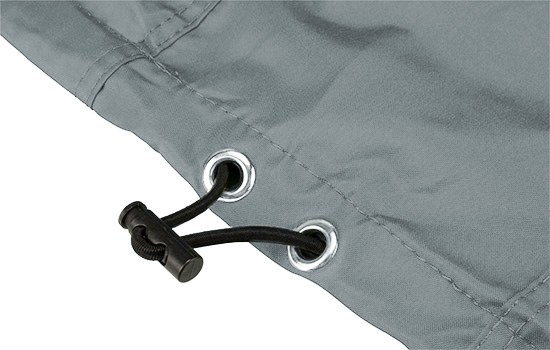
A loose cover flaps and lets water in. A tight one is a struggle to put on, and eventually you stop bothering. An elastic shock cord or drawcord in the hem lets you cinch the cover down. Lift tabs also help, since a large cover is awkward to pull off alone.
-
A warranty
Warranties on outdoor covers generally run from about two to seven years, and the length shows how much the maker trusts its own fabric. Read the fine print. Normal weathering is often excluded, and most warranties cover defects, not ordinary wear.
Matching the Cover to Your Table and Climate
Covers fall roughly into three tiers.
Entry-level covers use woven polyester with vents and a shorter warranty. They work well in mild climates or for a table that’s covered only part of the year.
Mid-range covers use heavier coated fabric, often the type used on boat covers, with extras like welted seams and closer tailoring. They suit regular rain and a table you use all season.
Premium covers use solution-dyed fabric, where the color runs through the whole fiber instead of sitting on the surface. They resist fading and staining best, so they make sense in strong sun or when you’ve spent real money on the table. They also tend to carry the longest warranties.
Climate should tip the decision. In rainy areas, put vents and seam quality first. In hot, sunny ones, UV and fade resistance matter more, and a lighter color stays cooler than a dark one. Where winters are harsh, choose a snug, well-secured fit so wind and snow load don’t pull the cover off.
How to Measure Your Table
Most wrong-size orders come from measuring in a hurry. Do it this way:
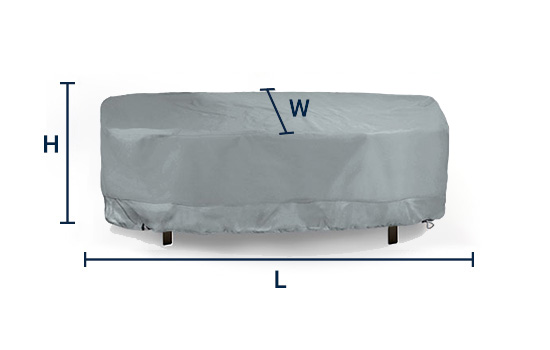
- Measure the full length and width of the tabletop at its widest points, including any overhang or raised edge.
- Measure the height from the floor to the top of the table.
- Add a couple of inches to each number so the cover isn’t stretched tight.
Compare your numbers to the cover’s length x width x height, not to a vague description like “fits six chairs,” since table sizes vary a lot. Standard rectangular covers commonly run from about 60 to 128 inches in length. If your table falls outside that range, look for a custom option for outdoor furniture covers.
Keeping a Cover in Good Shape
Always cover a dry table. Putting a cover over a damp one is the quickest way to grow mildew. Cinch the hem in windy weather, and every few weeks lift the cover to let the table air out. Brush off leaves and grit so they don’t wear on the fabric. When the table is in use, fold the cover or hang it off the ground.
Conclusion
The best outdoor covers for rectangular patio tables share the same basics: woven fabric, UV and water resistance, vents, strong seams, an adjustable fit, and an honest warranty. Measure carefully, match the fabric to your climate, and expect to pay more for a longer life. A cover that fits properly and breathes will protect the table far better than one that only looks heavy-duty on the product page.
Comments (0)
Want to join the discussion?
Log In to Comment