
An importer receives a test report from an overseas supplier and is ready to place an order. The report names one model, but the purchase order lists three. Before relying on that document, the importer needs to find out whether the models fall under the same Indian Standard, whether they can be grouped, and whether the report is acceptable under the applicable Bureau of Indian Standards (BIS) scheme. Resolving those questions before ordering can prevent repeated testing and changes to packaging later.
The following checks can help manufacturers and importers prepare for an Indian market launch.
1. Identify the Product Using Its Specifications
Start with a datasheet, the model numbers you intend to sell, and the address of the factory that makes them. Record the product’s intended use, technical ratings, and the features that vary across models. A supplier might describe two items as part of the same product family, even when they use different components or have different ratings.
Compare those details with the scope of the relevant Quality Control Order (QCO) or other applicable notification. Check the Indian Standard referenced in the notification, the effective date, and any amendments or exemptions relevant to your product. Save a copy of the documents you used so the purchasing and compliance teams can refer to the same requirements.
2. Confirm the Applicable BIS Scheme
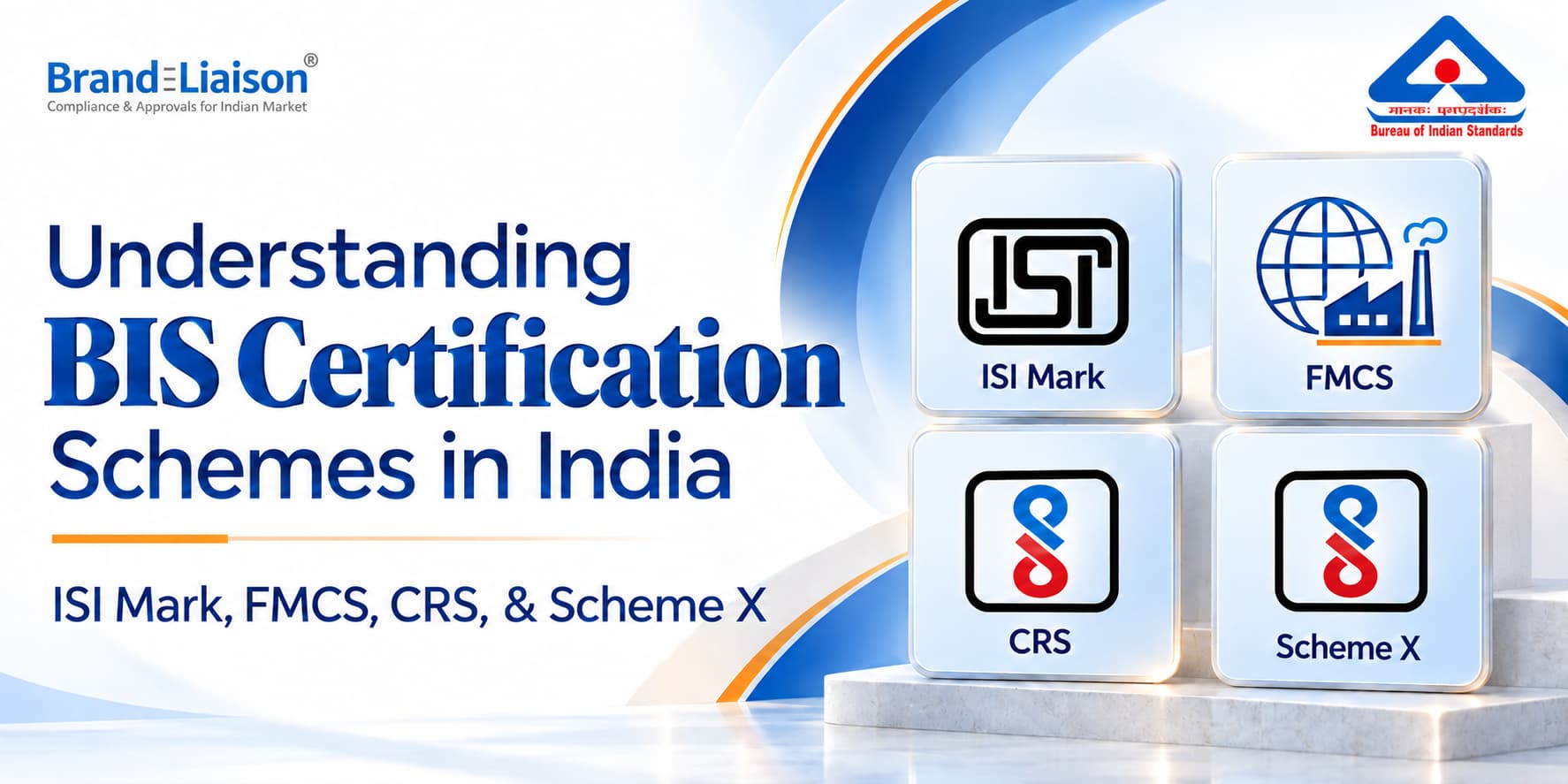
The scheme determines the type of application and the evidence needed. Scheme I, commonly associated with the ISI Mark, involves a licence to use the Standard Mark. Testing and an assessment of the manufacturing facility generally form part of the process. Scheme II, also known as the Compulsory Registration Scheme or CRS, applies to notified categories, including specified electronics and IT goods. It uses test reports from BIS-recognised laboratories as part of the registration process.
Other routes, including Scheme IV and Scheme X, have their own requirements. Use the applicable notification to confirm the route before paying for a test or preparing an application. For an overview of the routes, see this guide to BIS certification schemes in India.
3. Match the Test Evidence to the Products You Plan to Sell
Create a simple table with one row per model. List the factory, brand, applicable standard, and available test evidence beside each model. If a supplier offers one report for several variants, ask which model was tested and which grouping rules permit the other variants to be covered, where grouping is available.
Before dispatching samples, confirm that the laboratory can test the applicable standard and that its reports are accepted under the scheme. Compare the model details on the datasheet, sample label, proposed packaging, and application documents. If purchasing substitutes a model after testing, hand the updated specification to the compliance team so it can check whether the existing evidence still applies.
4. Decide Where a BIS Consultant Can Help
A consultant can be useful when the exact product classification is unclear, multiple factories supply similar models, or an overseas manufacturer needs help coordinating documents and testing. Begin by sharing the same specifications with each provider so you can compare proposals based on the same product scope.
Ask the provider to identify the scheme and standard they believe apply, explain how they reached that conclusion, and list the documents they need from the factory. A written proposal should distinguish consultancy charges, laboratory fees, and government fees. It should also explain who coordinates testing, responds to application queries, and handles any follow-up work. This overview of BIS certification support can help you identify which parts of the process your team may want assistance with.
Conclusion
Before committing to a test booking or shipment, confirm the applicable notification, the Indian Standard, and the factory and model details. Keep those decisions together in one product record. When a supplier changes a component, adds a variant, or moves production, that record gives your team a clear starting point for checking whether the existing test evidence and approval still cover the product.
Comments (0)
Want to join the discussion?
Log In to Comment