
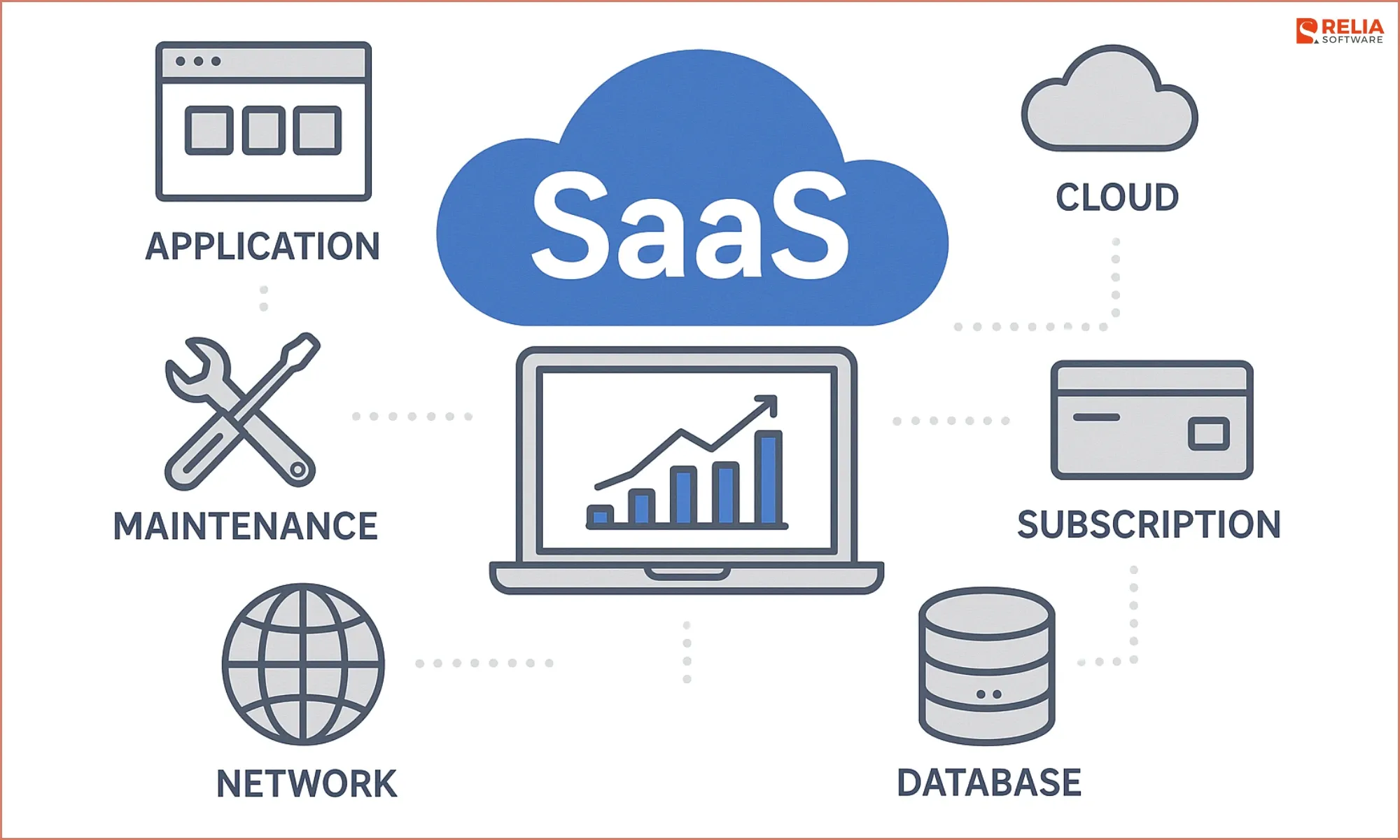

Software as a Service (SaaS) has transformed how businesses access and use technology. Instead of investing in expensive infrastructure and long deployment cycles, organizations now rely on cloud-based solutions that are scalable, flexible, and cost-effective. As digital transformation accelerates across industries, SaaS is evolving rapidly to meet new demands. The next decade will bring significant changes driven by advancements in artificial intelligence, cloud computing, security, and customer expectations.
The Evolution of SaaS
SaaS has moved far beyond basic cloud-hosted applications. Early SaaS platforms focused on accessibility and subscription-based pricing. Today, they offer deep integrations, advanced analytics, and enterprise-grade capabilities. Businesses now expect SaaS solutions to not only solve problems but also provide insights, automation, and seamless user experiences.
As competition increases, SaaS providers are focusing on innovation, customization, and performance to stay relevant.
Key Trends Shaping the Future of SaaS
1. AI-Powered SaaS Solutions
Artificial intelligence is becoming a core component of SaaS platforms. From predictive analytics to automated workflows, AI is helping businesses make smarter decisions and improve efficiency. SaaS tools are increasingly embedding AI features such as chatbots, recommendation engines, and data forecasting.
2. Vertical SaaS Growth
Instead of offering generic solutions, many SaaS companies are now building industry-specific platforms. Vertical SaaS targets niche markets like healthcare, finance, real estate, and logistics, providing tailored features that address unique industry challenges.
3. Increased Focus on Data Security
With the rise in cyber threats and data regulations, security has become a top priority. SaaS providers are investing in advanced security measures such as encryption, multi-factor authentication, and compliance frameworks to protect user data.
4. Integration and API-Driven Ecosystems
Modern businesses rely on multiple tools, making integration essential. SaaS platforms are increasingly offering robust APIs and third-party integrations, enabling seamless data flow across systems and improving operational efficiency.
5. Low-Code and No-Code Platforms
The demand for faster development cycles has led to the rise of low-code and no-code SaaS platforms. These tools allow non-technical users to build applications, automate workflows, and customize solutions without extensive programming knowledge.
6. Subscription Model Evolution
Traditional flat-rate subscriptions are evolving into more flexible pricing models. Usage-based pricing, tiered plans, and pay-as-you-go options are becoming common, allowing businesses to pay only for what they use.
Comparison of Traditional SaaS vs Future SaaS
| Feature | Traditional SaaS | Future SaaS |
|---|---|---|
| Functionality | Basic cloud applications | AI-driven intelligent platforms |
| Customization | Limited | Highly customizable |
| Integration | Basic integrations | API-first ecosystems |
| Pricing Model | Fixed subscription | Flexible and usage-based |
| User Experience | Standard interface | Personalized and adaptive |
| Development | Developer-dependent | Low-code/no-code enabled |
| Security | Standard protection | Advanced, compliance-focused |
Benefits of Future SaaS Models
Enhanced Efficiency
AI and automation will reduce manual effort, allowing businesses to focus on strategic tasks rather than routine operations.
Greater Flexibility
Customizable platforms and flexible pricing models will make SaaS more accessible to businesses of all sizes.
Faster Innovation
Low-code and no-code tools will accelerate development, enabling companies to quickly adapt to market changes.
Improved Decision-Making
Advanced analytics and real-time insights will empower organizations to make data-driven decisions with greater accuracy.
Challenges Ahead
Despite its growth, SaaS will face several challenges in the coming years:
-
Data Privacy Concerns: Increasing regulations will require strict compliance.
-
Vendor Lock-In: Businesses may find it difficult to switch platforms.
-
Integration Complexity: Managing multiple tools can become challenging.
-
Performance Issues: Ensuring speed and reliability at scale remains critical.
Addressing these challenges will be essential for SaaS providers to maintain trust and competitiveness.
The Role of Cloud and Edge Technologies
The future of SaaS will be closely linked with advancements in cloud and edge computing. Hybrid cloud environments will offer better scalability, while edge computing will enable faster data processing for real-time applications. This combination will enhance performance and support emerging technologies like IoT and AI-driven systems.
Conclusion
The SaaS industry is entering a new phase of innovation, driven by intelligent technologies, evolving customer needs, and increased competition. Over the next decade, SaaS platforms will become more personalized, secure, and integrated, offering greater value to businesses worldwide.
Organizations that embrace these trends early will gain a competitive advantage, while SaaS providers that focus on innovation and user experience will lead the market.
Comments (0)
Want to join the discussion?
Log In to Comment